Club Fixture or Open Community Session?
Compare a club fixture with an open community session, check what each involves and choose a local sporting event that fits your plans.
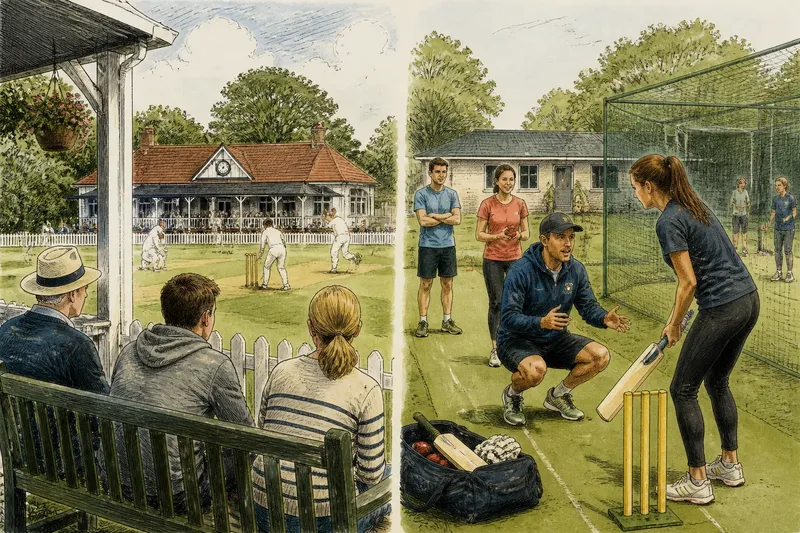
A club fixture gives you a contest to follow; an open community session gives you a chance to join in. If you are choosing between the two, start with what you want to do at the venue: watch a scheduled match or try an activity with other participants.
A club fixture follows a scheduled contest
A club fixture is a match or event arranged between teams or competitors, usually at a set time and place. The club may host another local side, travel to an away ground or take part in a league or cup programme. The contest gives the occasion a clear focus, even when the setting is informal.
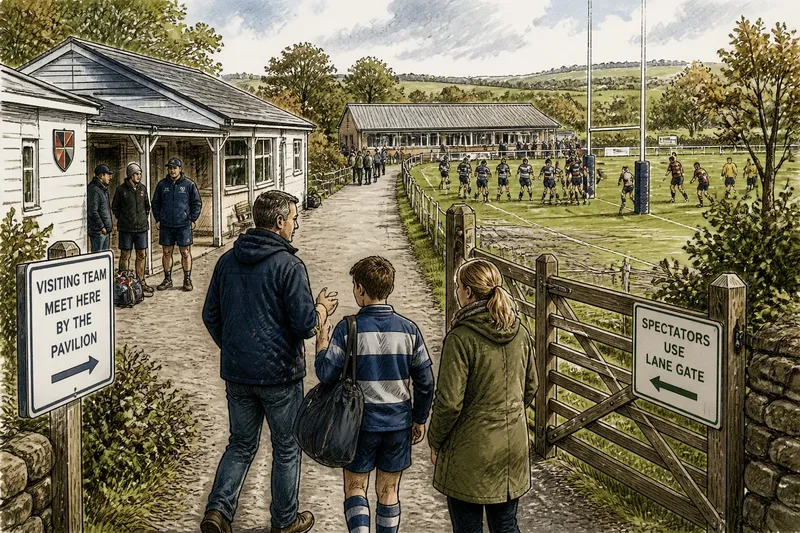
Visitors can usually find the playing area and watch from a touchline, stand or pavilion. Players and officials concentrate on the match, so you can follow the action without needing to know anyone or take part. Spectators may chat before play, during breaks and afterwards, often using the game as a natural starting point.
An open community session makes room to participate
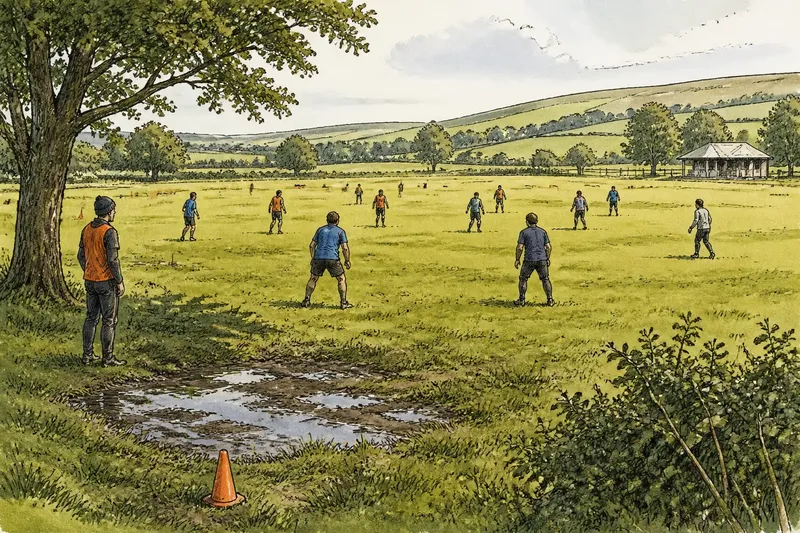
An open session invites community members to try an activity, practise or play outside a scheduled contest. It might be held at a bowls green, community hall, rugby club training area or local court. Some sessions are coached; others offer casual games or equipment to borrow.
People may arrive, sign in, warm up and move between activities. A volunteer or coach may explain the format and help newcomers find a suitable group. The session can still have boundaries: there may be a booking system, age group, ability level or limited space. Ask the organiser what to bring, whether to register and whether observing is welcome.
Compare what you will do at each event
Choose a fixture if you want to watch a local side, follow a contest or learn how a club runs its match day. Choose an open session if you want to handle equipment, practise a skill or meet participants while doing the activity. A fixture keeps you mainly in the role of spectator; a session may ask you to listen, move and take a turn.
Say you have a free Saturday and are curious about a local cricket club but have never played. If you want to understand where spectators sit and how a match unfolds, check the home fixture listing and go to watch. If you want to find out whether batting or fielding interests you, contact the club about its beginner session and ask what newcomers do. The first choice answers questions about watching; the second gives you a chance to try the sport.
Check the event details before you travel
Use the club listing or contact the organiser to confirm the information that affects your visit. Check each item below, then follow the decision that matches the answer:
- Event and start time: Check whether the listing names a fixture or participation session and gives an arrival time. If it does, plan around that time; if it does not, contact the club before setting out.
- Visitor arrangements: Check whether spectators are welcome and where they may stand or sit. If visitors are welcome, follow the venue’s directions; if not, ask whether another event is open to the public.
- Booking and sign-in: Check whether you need to reserve a place or register on arrival. If booking is required, arrange it first; if walk-ins are accepted, confirm where to check in.
- Equipment: Check whether the session provides bats, balls, racquets or other necessary kit. If equipment is supplied, ask what clothing to wear; if it is not, ask what you need to bring before buying or borrowing anything.
- Clothing and footwear: Check the club’s guidance for the surface and activity. If ordinary sportswear is suitable, wear that; if specific footwear or kit is required, confirm the details with the organiser.
- Travel and access: Check the entrance, public transport or parking details, and any access arrangements you need. If the information fits your plans, use it to choose your route; if a detail is unclear, contact the venue to discuss an alternative.
- Weather changes: Check how the club announces cancellations or venue changes for outdoor events. If the event is confirmed, travel as planned; if the update is unclear or the weather turns, check with the organiser before leaving.
Follow the venue’s instructions on clothing, equipment and access. A short message can also confirm whether the event is going ahead and who to ask for when you arrive.
What should you expect as a visitor?
Can I attend a club fixture on my own?
You can usually attend alone if spectators are welcome. Check the event details, then ask at the entrance or pavilion where visitors may sit.
Do I need experience for an open community session?
Some sessions welcome beginners, while others are intended for particular ability levels. Read the description or contact the organiser to check whether the format suits you and whether someone will explain the basics.
Can I watch an open session without joining in?
Some organisers welcome observers; others plan the session around participation or have limited space. Ask beforehand so you know whether watching is allowed and where to stand.
Can I watch a match and try the sport on the same visit?
Ask the club whether an introductory activity runs alongside the fixture or at another time. If the club offers both, confirm the timings and whether you need to book each part separately.
Choose a follow-up that matches what you learned
After a fixture, you might know where spectators gather but still want to understand how the sport feels to play. Ask about an open session. After trying an activity, you may want to watch the club compete and recognise the routines you practised; check the fixture calendar for a suitable match.
Before arranging another visit, note one practical detail that would make it easier, such as the right entrance, the name of the session organiser or the equipment you need. Use that information when you contact the club. The search for a club fixture or open community session then becomes a straightforward choice between watching a contest and taking part in an activity.