Why a Home Ground Can Feel Like an Away Ground
A home ground can feel unfamiliar when local customs, shared pitches or match-day routines shift. Learn what to notice and how to read the setting.
A home ground can feel like an away ground when the local habits that make it familiar are missing. In village cricket, a rugby club’s shared field or a bowls green beside a town pavilion, the venue is more than the address: it is also the customary entrance, the people who welcome visitors and the routines around play.
Those details help explain why a match at a club’s usual base can feel strange, while a team may feel settled at a shared ground it uses regularly. Notice what the club treats as its home: the playing surface, the pavilion, the touchline customs or the familiar faces who know where everyone belongs.
Local customs make a ground feel like home
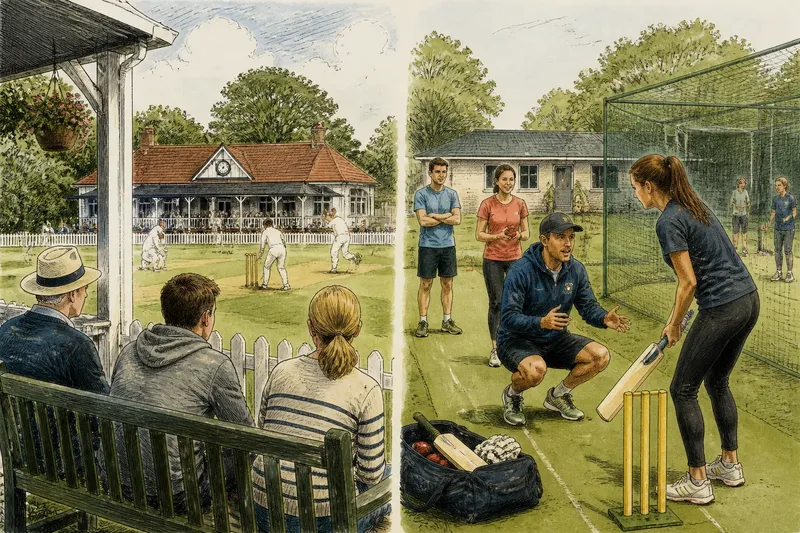
Regional sport is shaped by the places people gather and the habits they repeat there. A village cricket club may have a familiar pavilion and a customary way of arranging tea; a rugby side may share changing rooms with another club; a bowls club may centre match-day life on its green and clubhouse. These customs are local rather than universal, so follow the host club’s lead instead of assuming your own club’s routine applies.
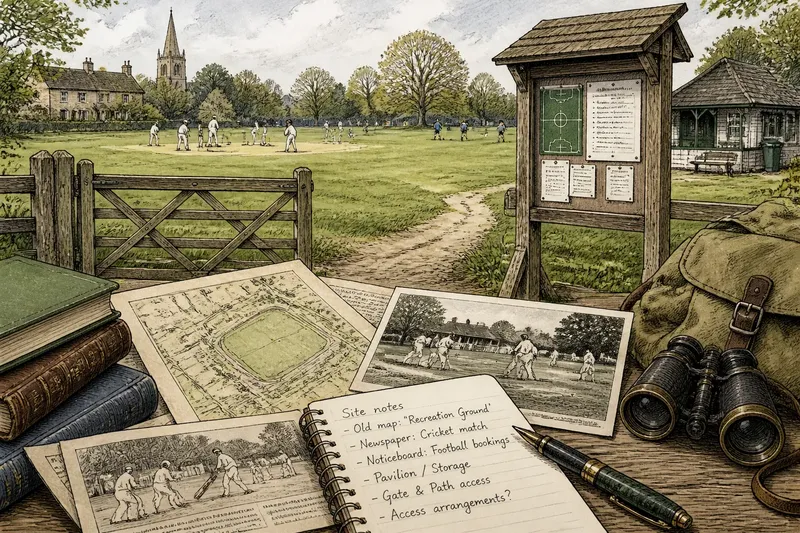
Ask a club contact what visitors should know. The useful details may be simple: which gate to use, where spectators may stand, whether the clubhouse is open, or how visiting players find the changing rooms. These answers reveal how the place works in practice, not just where it sits on a map.
A familiar address can hide a different sporting place
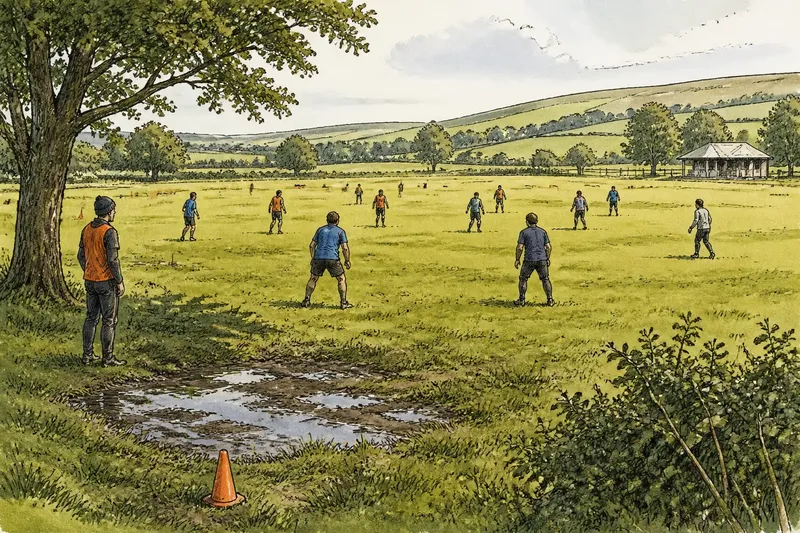
A ground’s character can change while its address stays the same. A pitch may be rearranged for another sport, a shared site may use a different entrance, or a local event may shift spectators away from their usual viewing area. Each change alters how people move through the place and which customs are visible.
Conversely, a team can develop familiarity with a ground that is not its historic base. If it regularly plays at a neighbouring club’s field, players may know the changing rooms, surface and approach to the pitch. The label “home” matters less to that experience than repeated use and the welcome—or lack of one—provided by the setting.
Read the character of a ground before joining in
Use a few specific observations to work out how to fit in without treating every club as though it follows the same rules:
- Entrance and welcome: If a sign or club contact directs visitors to a particular gate, use it; if directions are missing, ask before walking through a players-only area.
- Playing space: If ropes, marked paths or officials indicate where spectators should stand, stay within those boundaries; if no area is clear, check with an organiser rather than choosing a spot beside the field.
- Shared facilities: If changing rooms or a pavilion serve several teams, follow the host’s allocation; if your group has not been assigned a space, keep kit together and ask where it belongs.
- Clubhouse customs: If members invite visitors into the clubhouse or explain a local refreshment routine, follow their lead; if access is uncertain, wait for an invitation or ask a club representative.
- Local match traditions: If the host explains a customary welcome, announcement or post-match gathering, take part as appropriate; if the purpose is unclear, observe first and ask politely.
- Surface and layout: If the coach or match official gives instructions for the day’s surface or field arrangement, follow them; if a condition seems unsafe, raise it with the responsible official rather than judging it yourself.
- Access needs: If a route, seating area or facility will not work for someone in your group, contact the organiser; if an alternative is offered, use it, and if not, ask what safe option is available.
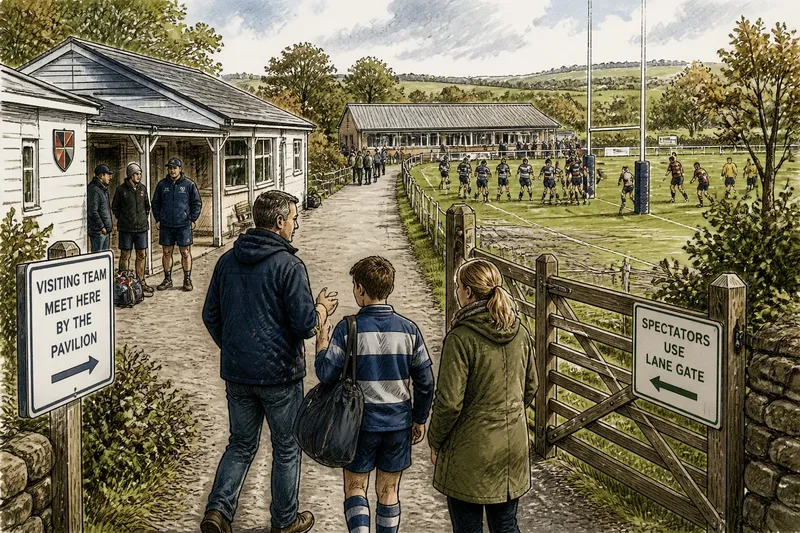
Say you are taking a youth rugby player to a ground used by two local clubs. The fixture notice gives the shared site but not the entrance; you ask the coach, who confirms that visiting teams meet beside the pavilion while spectators use the lane gate. You pass those separate directions to the family, and the player arrives at the team meeting place without entering the other club’s changing area. The trade-off is a little more coordination before setting off, in return for understanding how this particular ground is organised.
Why does a home ground sometimes feel unfamiliar?
Can a team be the home side at another club’s ground?
Yes. Clubs may share facilities or use an alternative field, so the home designation does not always mean the team owns or regularly occupies the venue. Check which club is hosting on the day and follow its directions.
How do local customs differ between sporting clubs?
Customs can involve entrances, changing arrangements, spectator areas or social gatherings, and they vary between clubs and sports. Watch how the host organises the day and ask a club contact when a practice is unclear.
What should visiting spectators do at an unfamiliar ground?
Follow signs and any instructions about viewing areas, access routes and clubhouse use. If the layout is unclear, ask an organiser rather than crossing the playing area or assuming that a familiar spot is open to visitors.
Does a changed surface make the ground less of a home venue?
Not necessarily, though the playing experience can change. Players should follow the coach’s and match official’s guidance for the conditions, while spectators can expect routes or viewing positions to differ.
Let the host’s habits explain the place
A home ground’s character comes from the relationship between its landscape, the club that uses it and the people who gather there. The field, green or pavilion may be familiar in name but different in use; a shared venue may feel settled because its routines have become part of the team’s local life.
For the next fixture, notice who welcomes visitors, where people naturally gather and which instructions shape movement around the playing space. That small attention makes the phrase “home ground” more useful: it tells you not only where the match is, but how this sporting community makes the place its own.